From empire to everyday life on two continents
As your bus crosses bridges and districts, you’re rolling through centuries of history layered with today’s Istanbul rhythm.
Table of Contents
From Byzantium to Istanbul
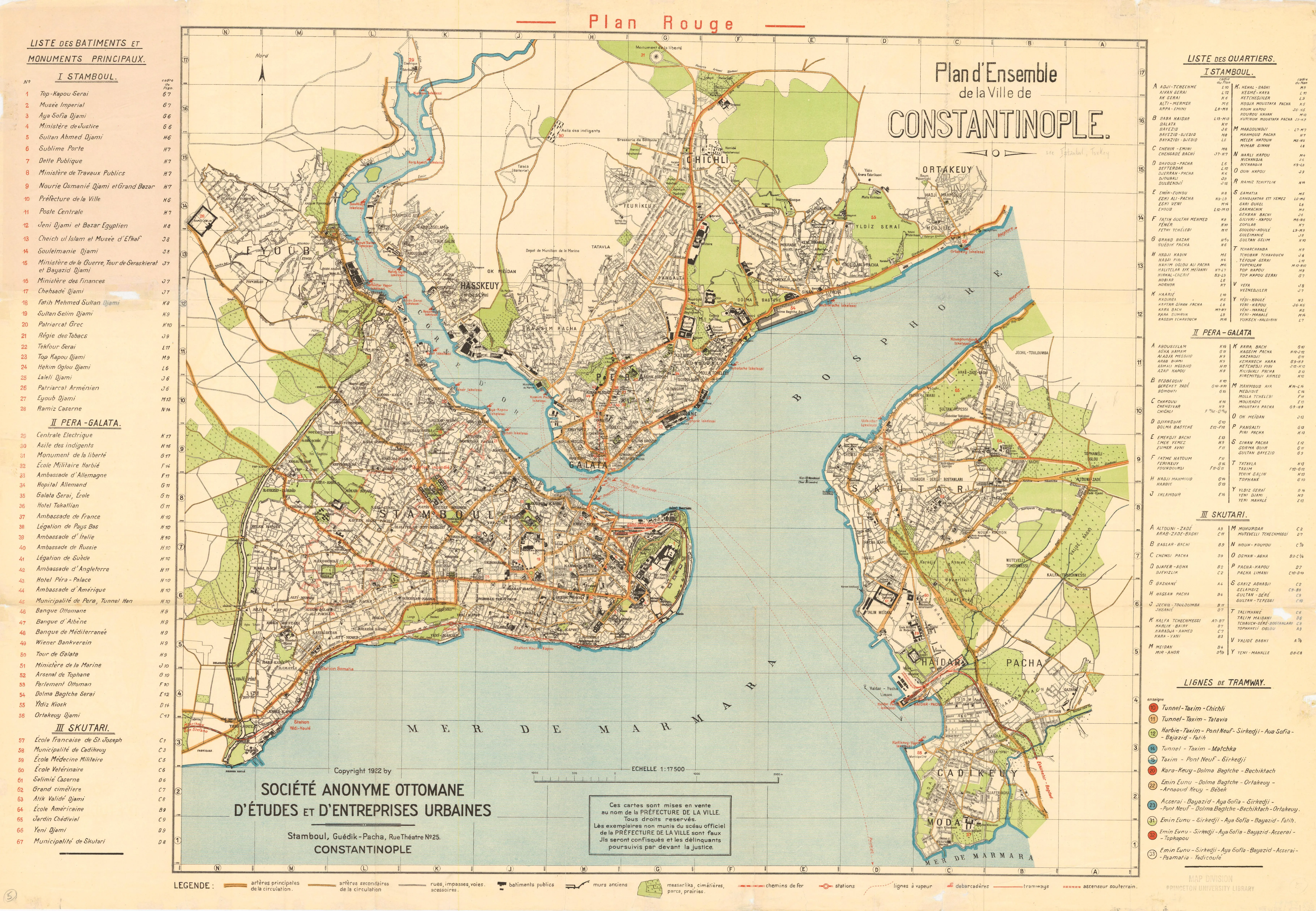
Long before your bus turns its first corner, the land you’re riding over carried traders, soldiers, pilgrims, and storytellers. The city we now call Istanbul began as Byzantium, a modest Greek colony perched on a strategic peninsula where the Bosphorus meets the Sea of Marmara. Over centuries, it became Constantinople, the glittering capital of the Eastern Roman Empire, protected by massive walls that your route still brushes past today.
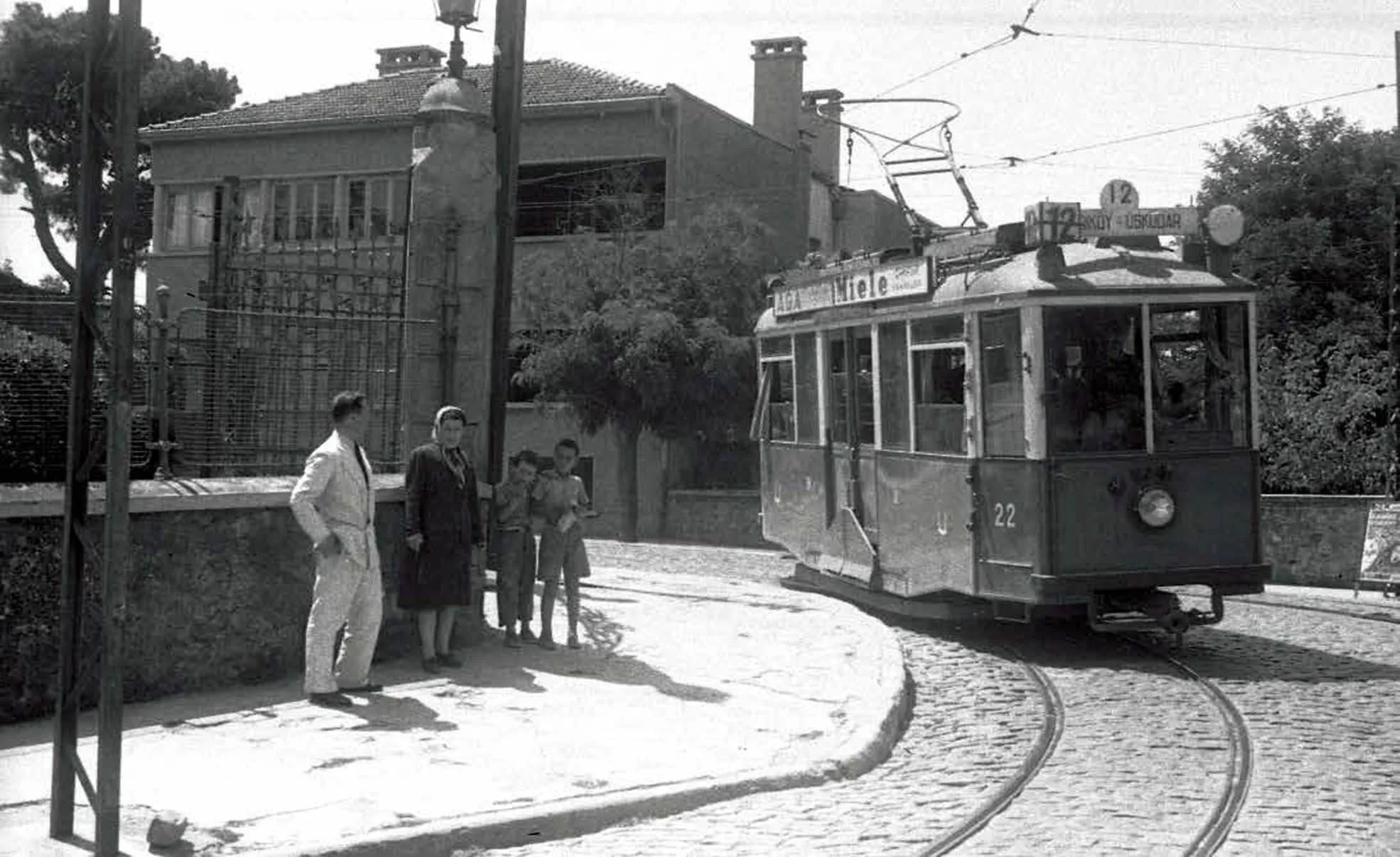
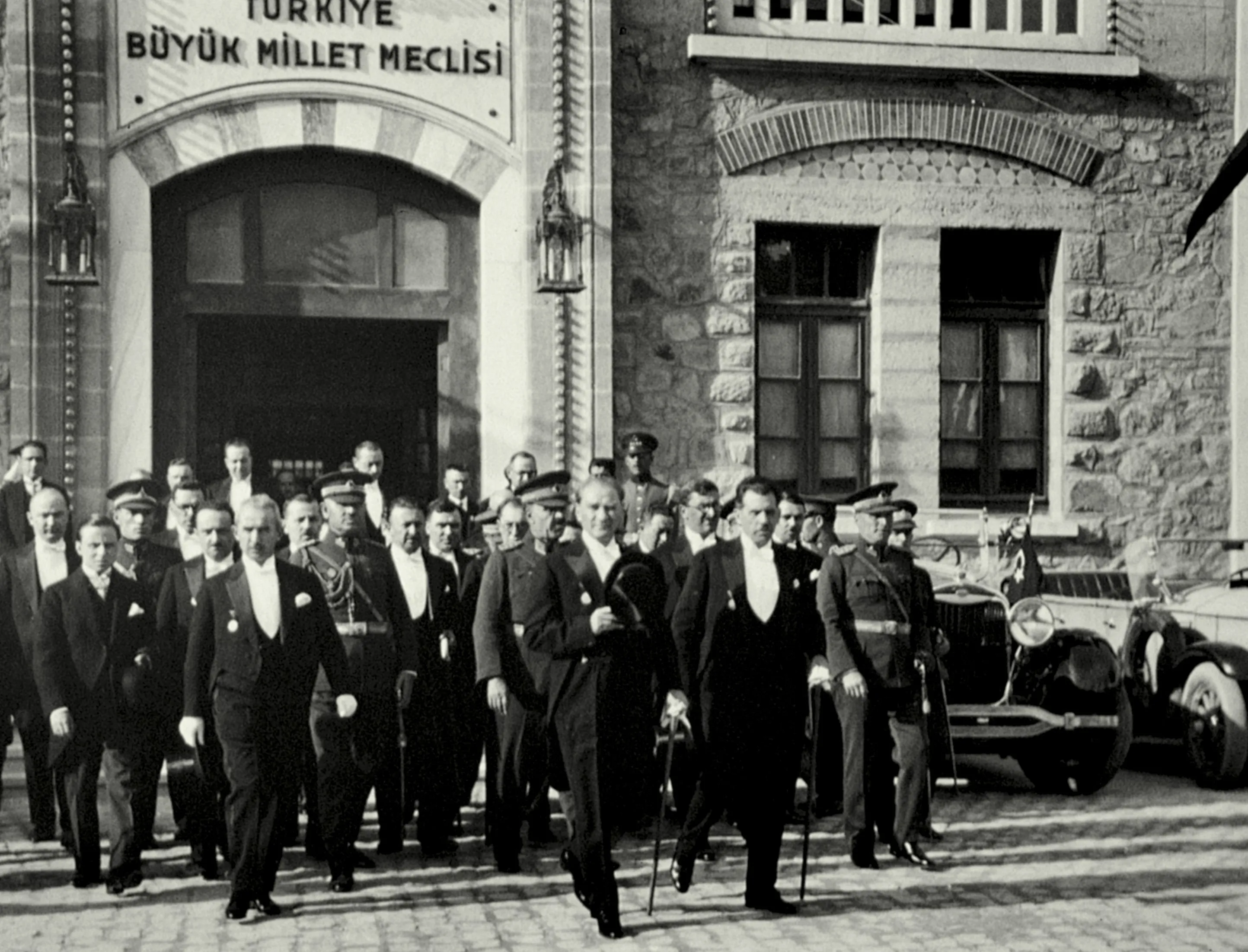
When the Ottomans conquered the city in 1453, they infused the skyline with slender minarets, caravanserais, hammams, and palaces that reshaped both the horizon and the rhythm of life. In the 20th century, the young Republic of Turkey reimagined the city once more as modern ‘Istanbul,’ layering tram lines, boulevards, and bridges onto this ancient foundation. Every time your hop‑on hop‑off bus stops at a traffic light or glides over a hill, it follows paths carved by centuries of change—proof that history here is not locked in museums; it’s beneath the wheels and footsteps of everyday life.
The historic peninsula & Sultanahmet
The historic peninsula, where many routes begin, feels like an open‑air textbook of world history. As you approach Sultanahmet, domes and minarets rise on either side: Hagia Sophia, born as a Byzantine church, transformed into an Ottoman mosque, and now a place of worship again, faces the Blue Mosque across a tree‑lined square. Between them, the old Hippodrome echoes with the memory of chariot races and imperial ceremonies, little of it visible from the surface yet still shaping the layout of the streets.
From your seat on the bus, you see souvenir stalls, street vendors selling simit and roasted chestnuts, and visitors craning their necks for photos. But just beyond the noise, there are quiet courtyards and narrow alleys where daily life continues: laundry hanging above ancient stones, schoolchildren walking home past fragments of Roman columns. Hop off here, and you’re not just visiting famous monuments; you’re stepping into a neighborhood that has been continuously lived in for well over a thousand years.
Bazaars, markets & daily trade
As the bus nudges closer to the Grand Bazaar and the nearby Spice Market, you’re tracing the old commercial veins of the city. For centuries, caravans arrived from Anatolia, Persia, and beyond, carrying silk, spices, ceramics, and dreams of profit. The vaulted passages of the Grand Bazaar still shelter goldsmiths, carpet sellers, and artisans whose families have worked these corridors for generations.
From the upper deck, domed roofs and chimneys look almost like a small city inside the city. Hop off and wander between shops where bargaining is still an art form, or continue toward the Spice Market in Eminönü, where the air is scented with cumin, dried fruit, and Turkish delight. The hop‑on hop‑off bus makes it easy to dip into this world of trade, then rejoin your route without needing to think about changing lines or deciphering every street sign.
Across the Golden Horn to Galata
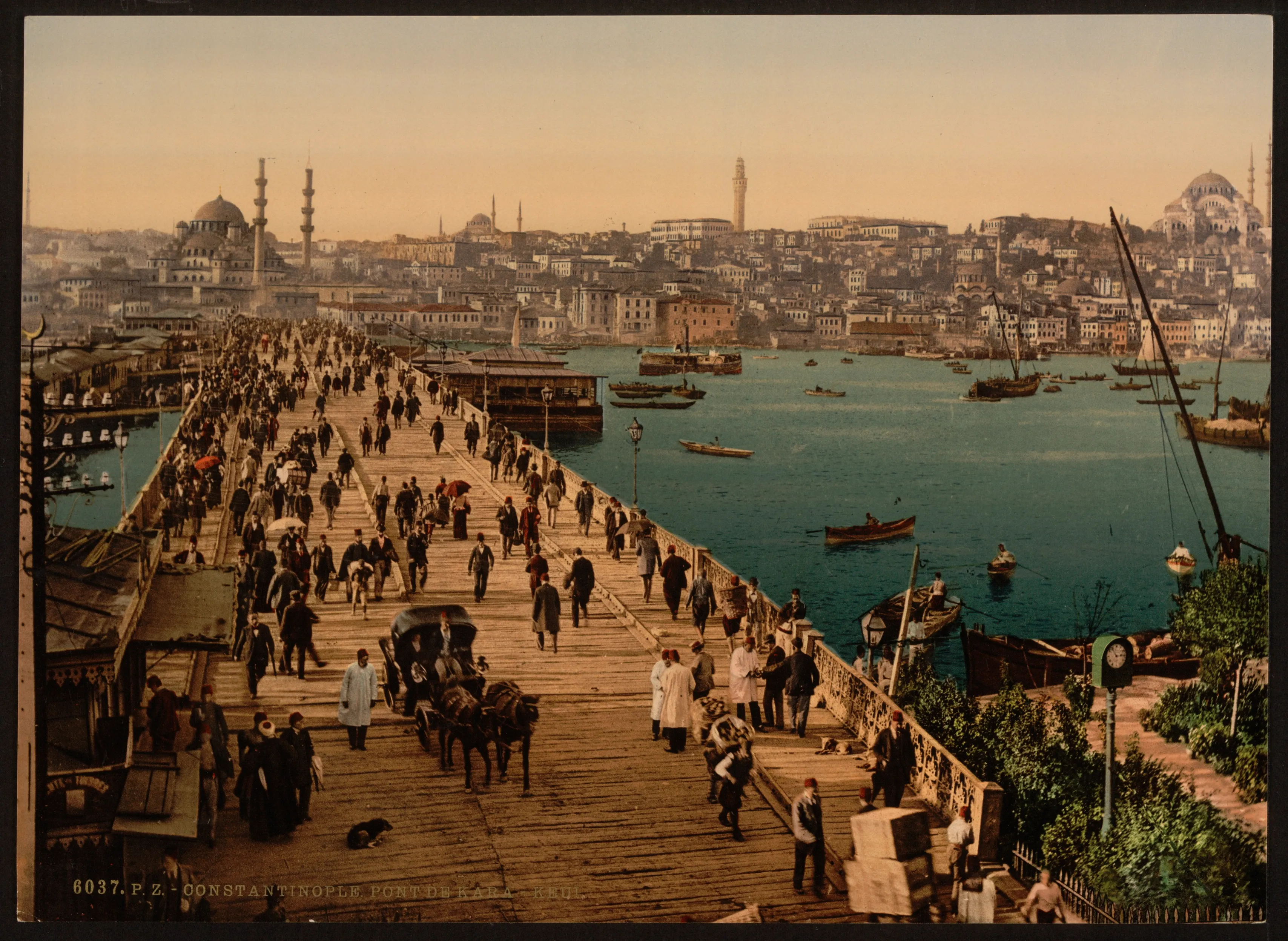
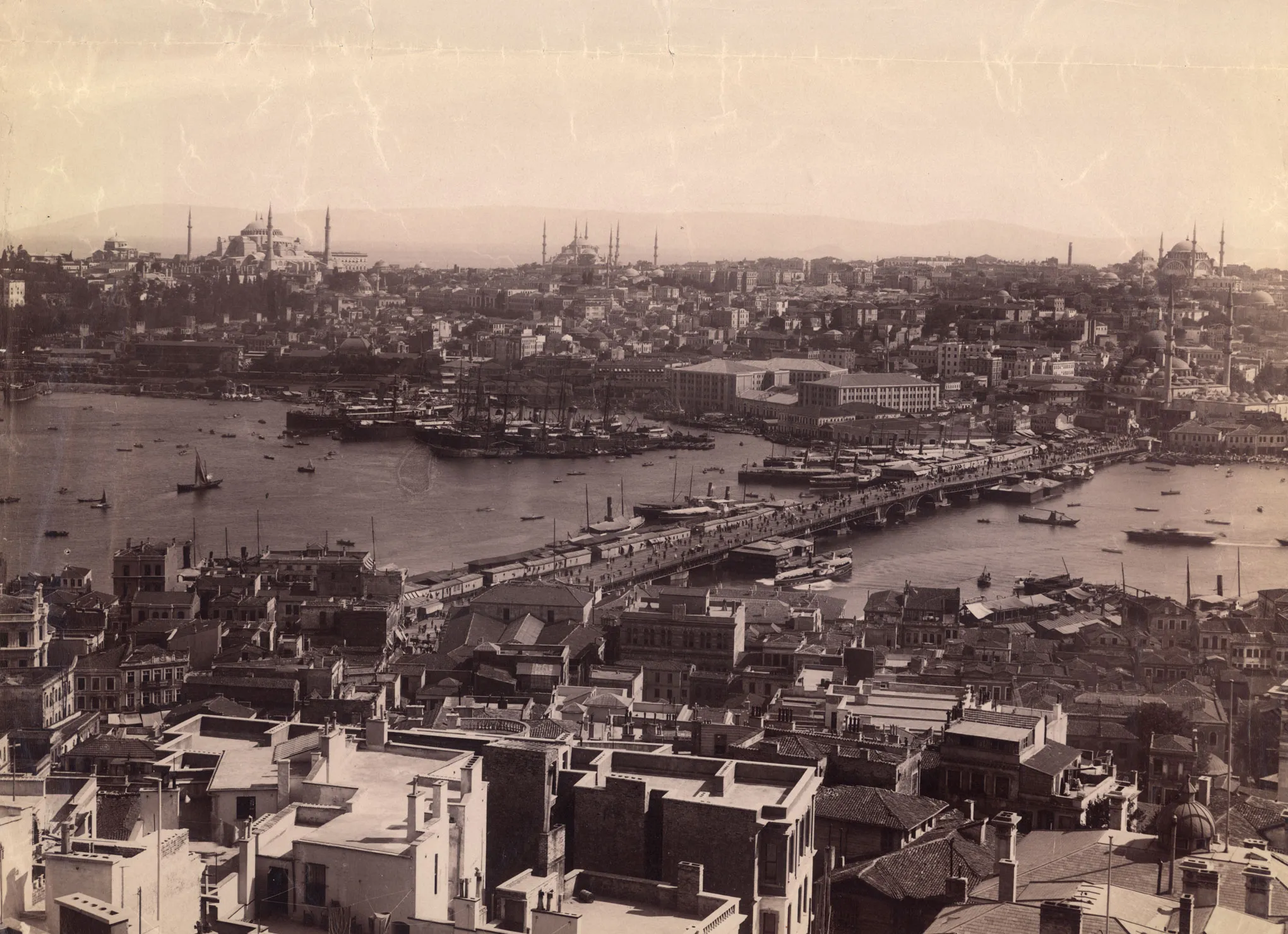
When your bus crosses toward Galata and Karaköy, you’re leaving the old walled city and entering an area that once lay outside imperial fortifications. Merchants from Venice, Genoa, and other trading powers settled around the Golden Horn, building warehouses, churches, and stone towers overlooking their ships. The most famous of these, Galata Tower, still stands watch over the district, now surrounded by cafes, boutiques, and steep cobbled streets.
Looking down from the upper deck, you may notice layers of graffiti, art galleries tucked into side streets, and the constant flow of ferries on the water below. This is a part of Istanbul where the city’s creative, bohemian side meets its maritime heritage, and where an afternoon can easily slip away as you hop off the bus, climb to a viewpoint, and sip tea while the call to prayer echoes between the hills.
Palaces, Bosphorus shores & bridges
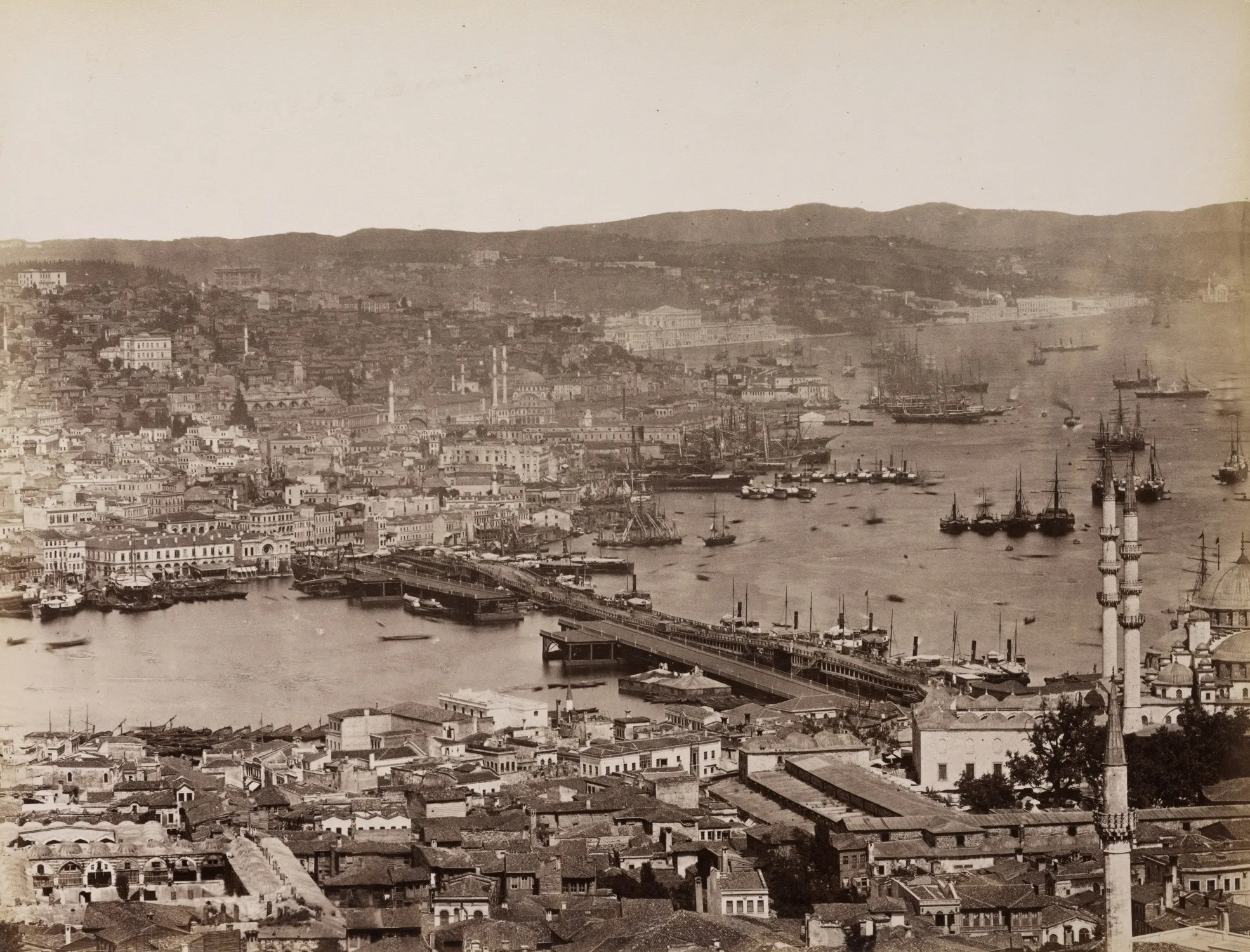
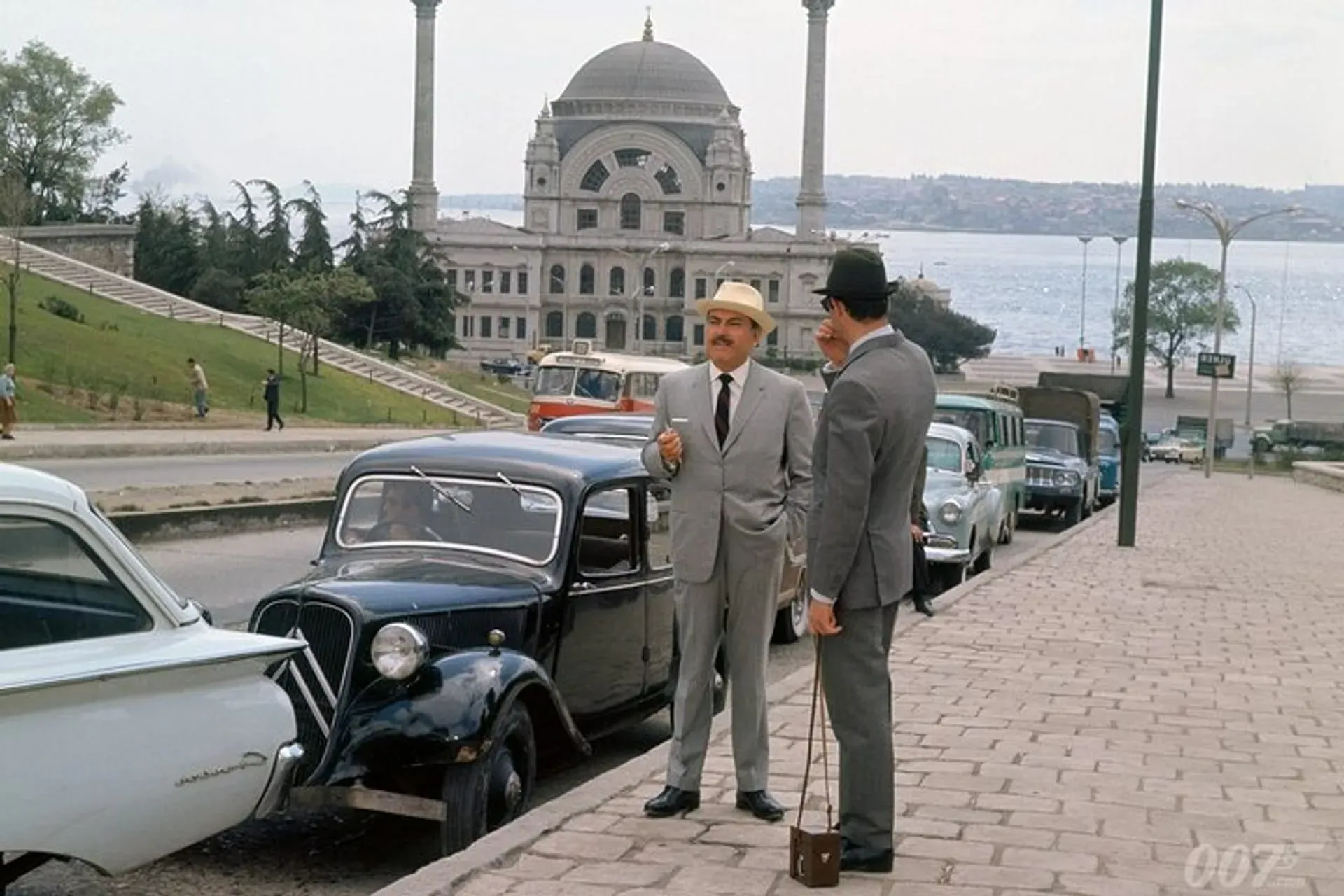
As the bus glides along the Bosphorus, Istanbul’s shoreline becomes a living corridor of palaces, waterside mansions, mosques, and modern towers. Dolmabahçe Palace, with its long façade and ornate gates stepping into the water, represents a time when Ottoman sultans embraced European‑inspired architecture while still ruling from a seat steeped in tradition.
Further along, you may glimpse yalı—historic wooden mansions—standing beside contemporary buildings and busy ferry piers. Overhead, modern suspension bridges connect Europe and Asia, their cables and lights visible from the bus as you approach. Each bend in the road is a reminder that this is not just a historic city preserved in stone; it is also a major port and a modern metropolis that continues to grow along the water’s edge.
Modern Istanbul: Taksim & beyond
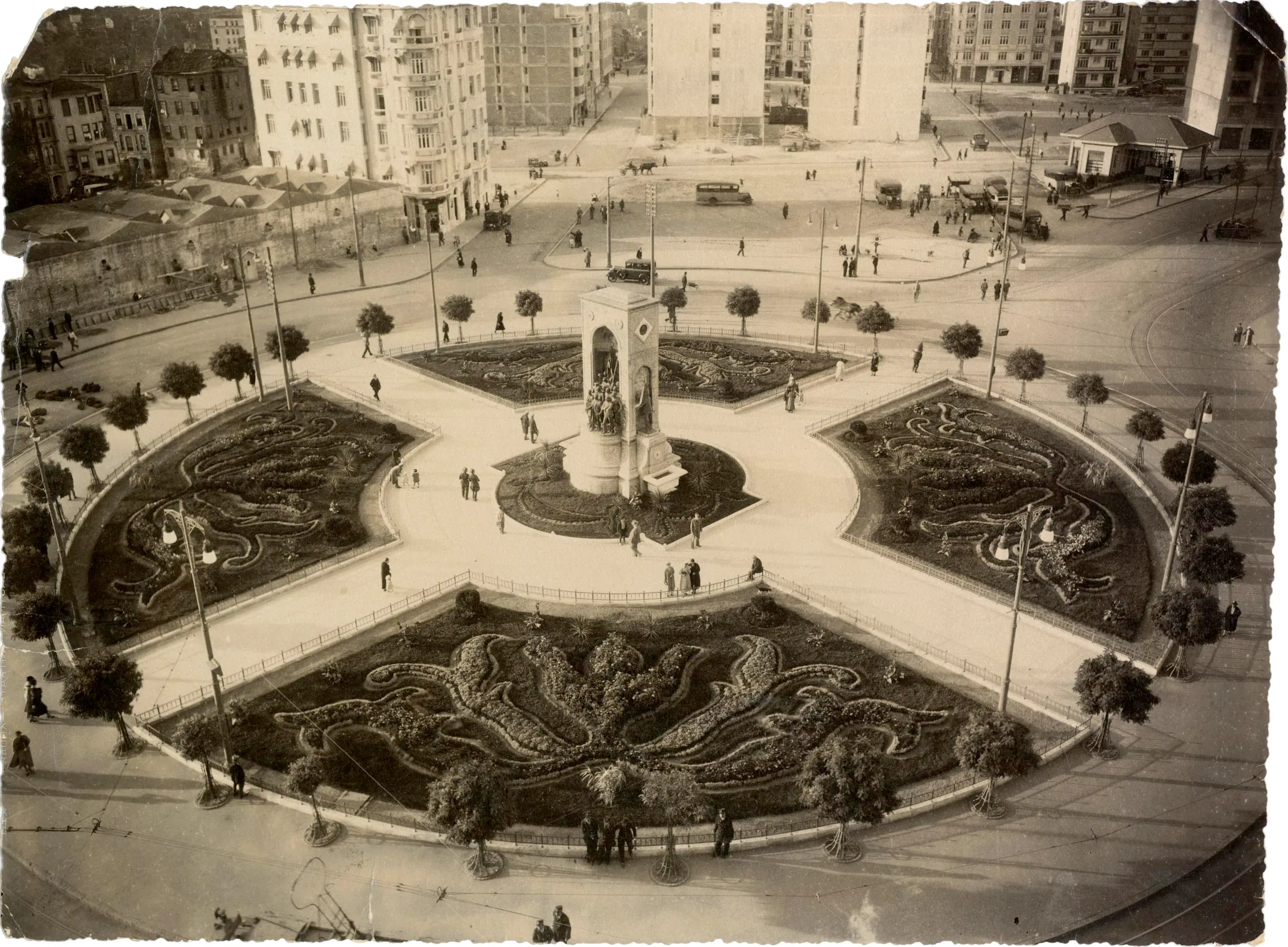
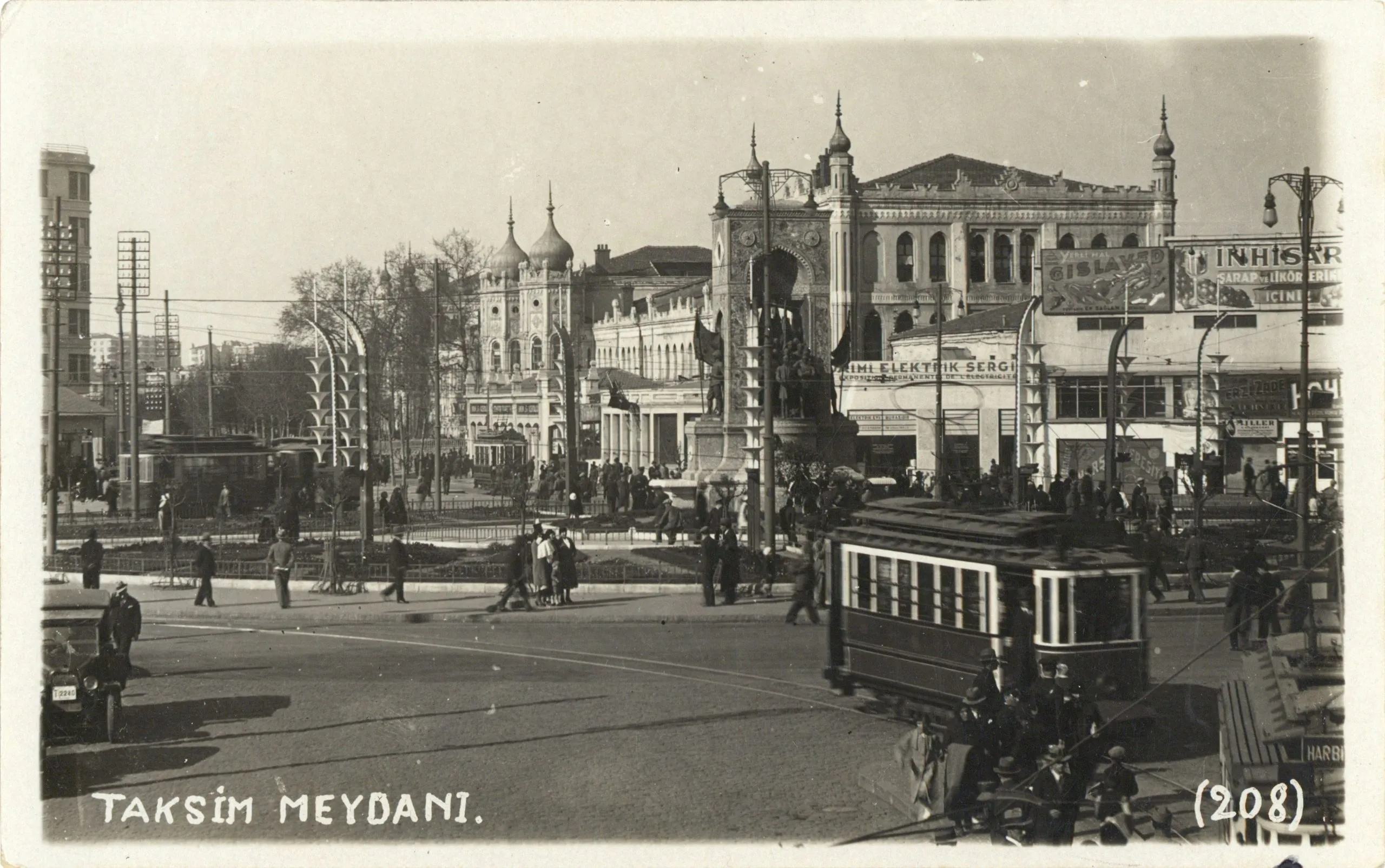
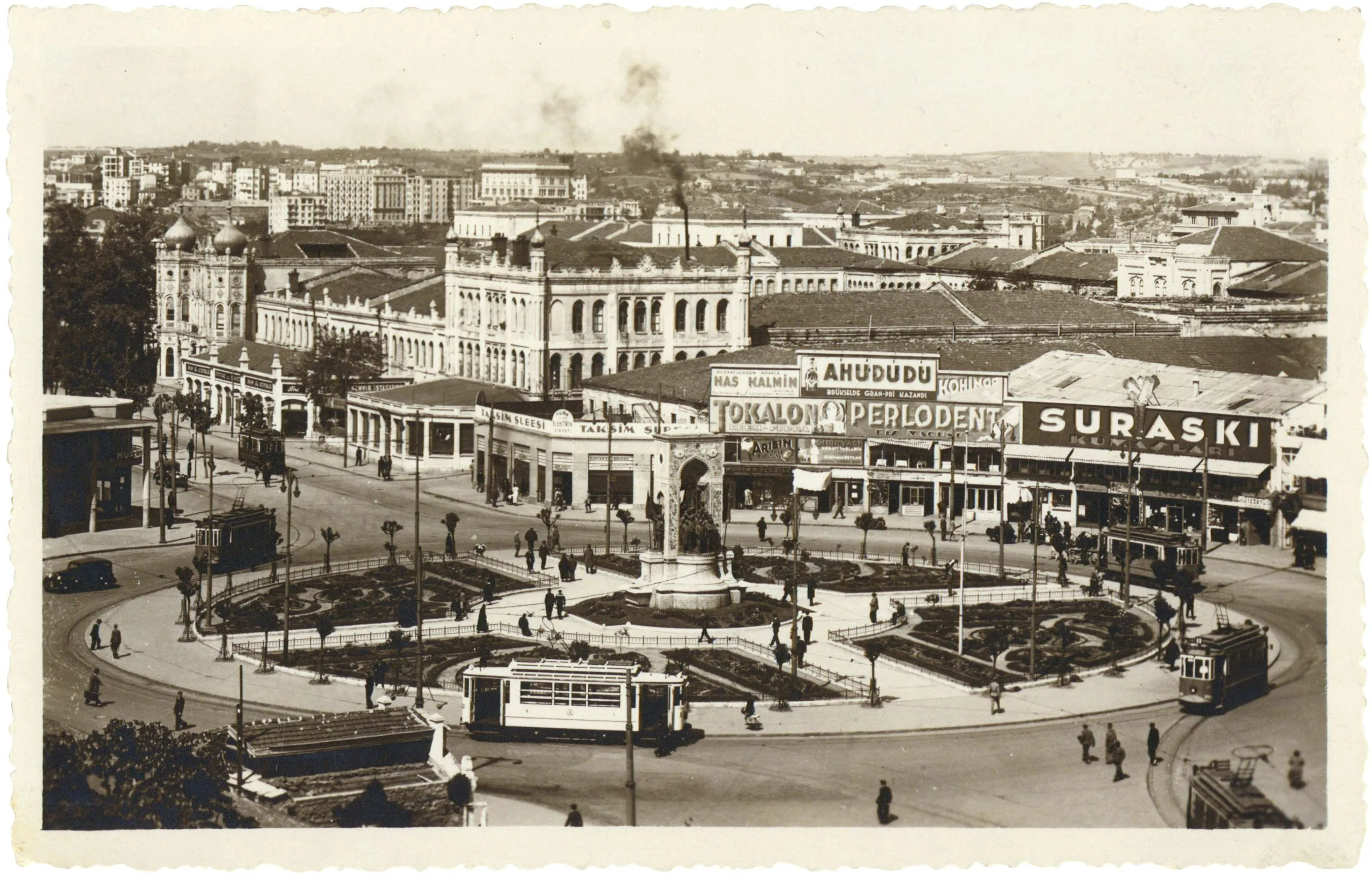
When your route reaches Taksim Square and the surrounding area, the atmosphere shifts again. Here, glass‑fronted buildings, hotels, and offices share space with embassies and cultural centers. İstiklal Avenue stretches away as a pedestrian boulevard lined with shops, cinemas, galleries, and churches hidden just off the main route.
From the bus, you might see students rushing to class, office workers grabbing lunch, and street musicians playing for a mix of locals and visitors. This is the Istanbul of today: dynamic, crowded, and constantly reinventing itself. Hopping off here lets you experience the contemporary pulse of the city, then return to the quieter rhythm of the bus whenever you’re ready to move on.
Crossing continents by road and sea
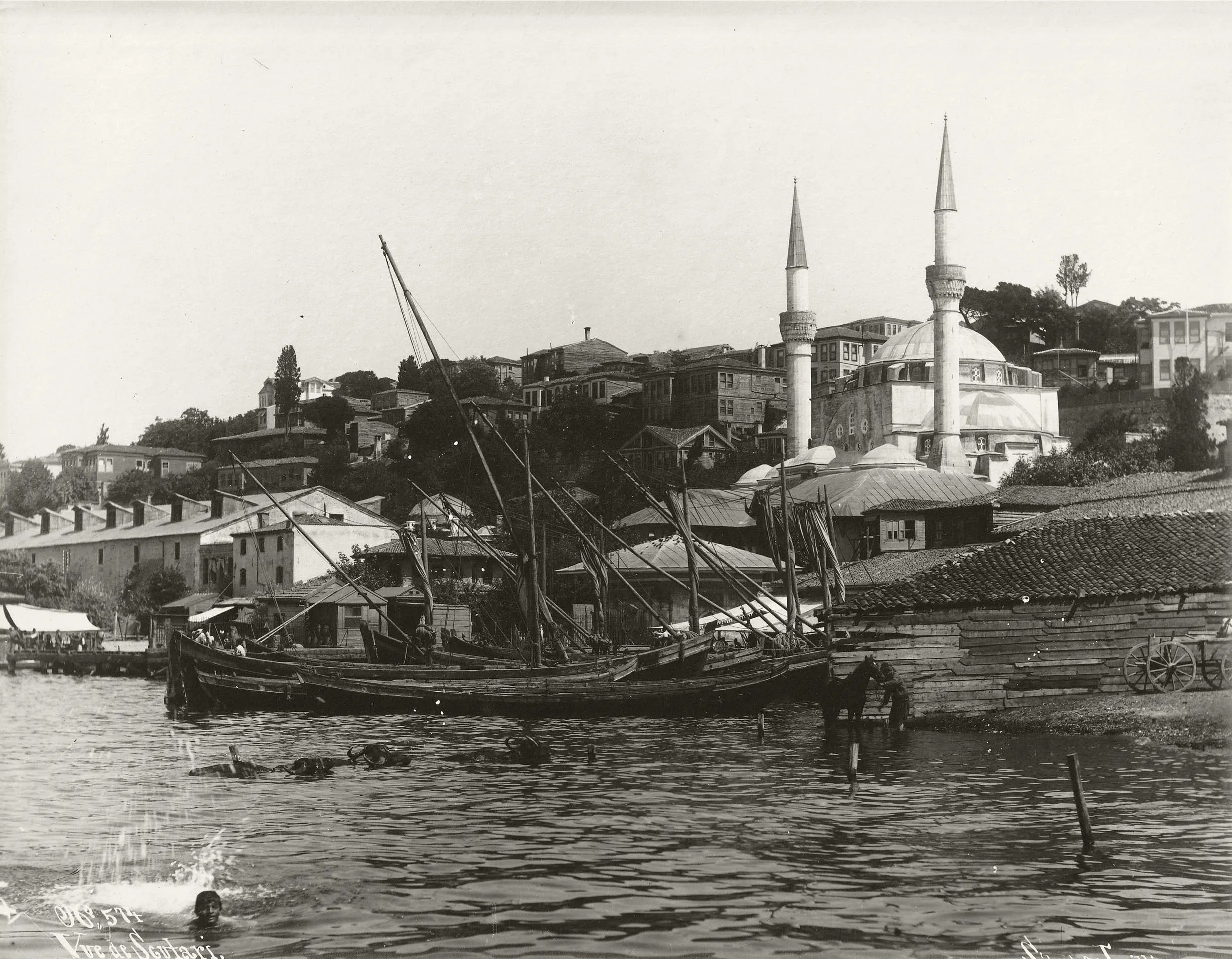
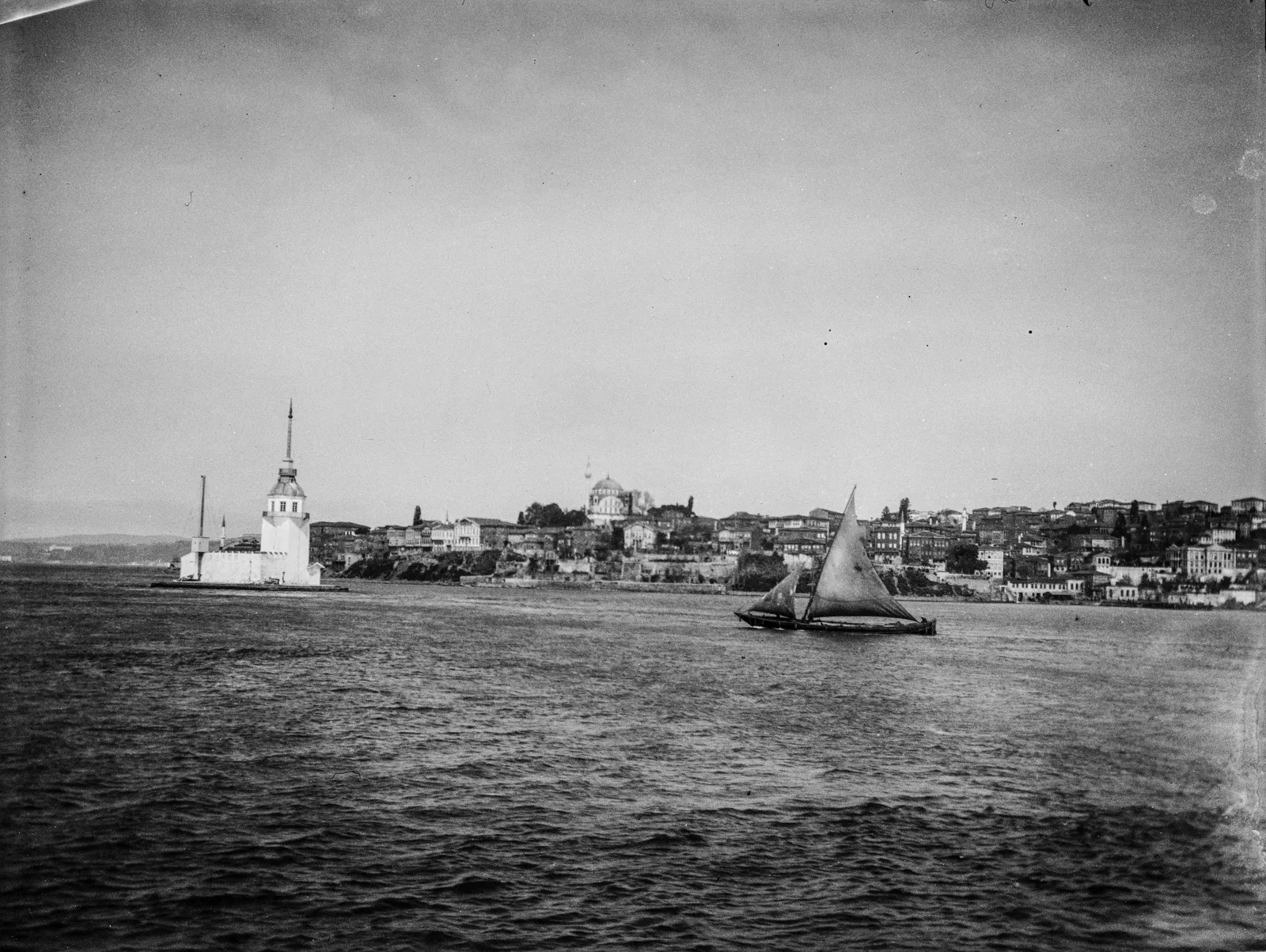
Few cities in the world can say that an ordinary commute involves crossing between continents. Some hop‑on hop‑off routes or connected tours take you over a Bosphorus bridge, where you can literally see Europe on one side and Asia on the other as your bus passes high above the water. Other options combine the bus with a Bosphorus cruise, giving you a double perspective: one from the road and one from the waterline.
From either angle, the experience underlines how Istanbul has always been a meeting point rather than a boundary. The ferries shuttling back and forth, the cargo ships anchored offshore, and the constant stream of cars and buses across the bridges all echo a simple truth: this city has been tying worlds together for centuries, and your hop‑on hop‑off ticket is one more thread in that ongoing connection.
Crowds, safety & accessibility
Like any major city, Istanbul can be busy, especially around markets, transport hubs, and famous landmarks. The hop‑on hop‑off buses are designed to make navigation easier, with clear boarding points and staff who are used to answering visitors’ questions. It’s still wise to keep your belongings close, be mindful when taking photos on the upper deck, and use designated crossings when you hop off near busy roads.
Accessibility is gradually improving, with many buses offering low‑floor entry or ramps and dedicated spaces for wheelchairs, as well as priority seating. Not every stop is perfectly step‑free, and pavements can be uneven in older districts, but knowing this in advance allows you to plan your day realistically, choosing the stops and routes that match your comfort and mobility needs.
Festivals, culture & city rituals
Depending on when you visit, your bus may drive past stages being set up on the waterfront, colorful banners for film and music festivals, or city squares alive with public celebrations. Istanbul’s calendar is dotted with events that reflect its diverse culture—from traditional religious holidays to contemporary art biennials and food fairs where regional specialties share the spotlight.
Even on ordinary days, you’ll see smaller rituals unfold from your seat: fishermen lined along the bridges, families gathering in parks for picnics, and groups of friends sipping tea in tiny glasses at low tables. Hopping off at a stop for an hour or two is often enough to slip into these everyday moments, then climb back onto the bus having tasted something of the city’s inner life, not just its postcard views.
Tickets, passes & smart planning
With several operators and ticket types available, a little advance planning goes a long way. Some passes are straightforward: one route, a fixed validity period, and access to all stops along that line. Others bundle in extras like Bosphorus cruises, museum entries, or guided walking tours. Reading the fine print before you buy helps you understand exactly what you’re getting—and what you might still need to arrange separately.
If you’re staying a short time, a 24‑hour pass might be ideal, giving you a compact but rich overview of the city. If you have more days, a longer‑validity ticket or combination with public transport can turn the bus into a backbone for your explorations. Whatever you choose, think about where you want to spend more time—Sultanahmet, the bazaars, the Bosphorus, the modern districts—and plan your hop‑offs accordingly so you’re not rushing at the end of the day.
Preserving heritage in a growing city
As your bus snakes between ancient monuments and new developments, you’re seeing just how delicate the balance can be between preserving a city’s soul and making room for growth. Restoration work is frequently underway: scaffolding rises around old mosques, stone walls are being cleaned piece by piece, and traditional houses are shored up against time.
By choosing responsible operators, respecting local customs, and supporting heritage sites through official tickets and donations, visitors become part of the effort to keep Istanbul’s history alive. The hop‑on hop‑off bus, when used thoughtfully, is not just a convenient ride—it can be a way to encounter this heritage without overloading already crowded narrow streets or sensitive historic zones.
Side trips & Bosphorus viewpoints
Some visitors use the hop‑on hop‑off bus purely as a city loop; others treat it as a springboard to side trips. From certain stops, you can connect to local ferries, funiculars, or trams that carry you to hilltop neighborhoods, quieter parks, or lesser‑known viewpoints. On a clear day, a short detour can reward you with panoramic vistas where minarets, bridges, and ships all share the same frame.
If your ticket includes a Bosphorus cruise, you might end your bus loop by stepping onto a boat, seeing the same palaces and neighborhoods from the water as the sun sets. The combination of road and river gives a fuller sense of how Istanbul wraps itself around the strait, and why people have been drawn to live and trade here for so many centuries.
Why a bus ride tells Istanbul’s story
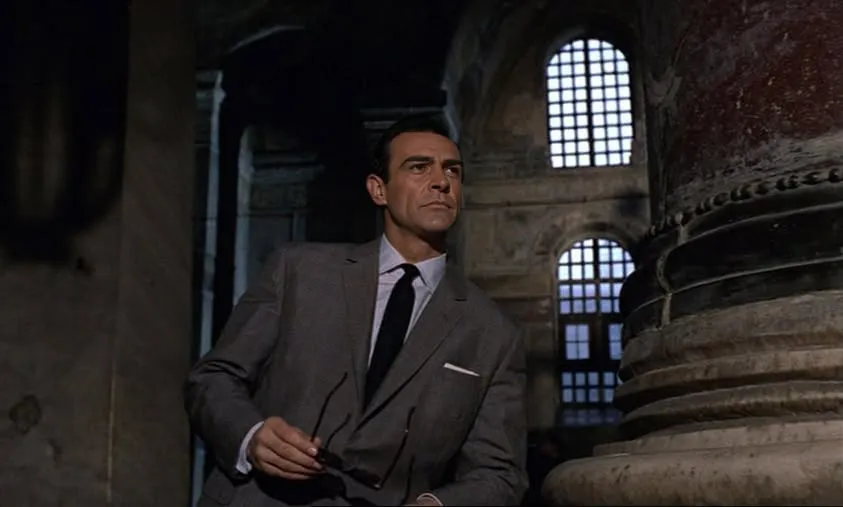
On paper, a hop‑on hop‑off bus is simply a practical sightseeing tool. In Istanbul, it also becomes a moving balcony over history: one minute you’re rolling past Roman ruins and Byzantine walls; the next, you’re idling beside a glass office tower or a street of neon signs and music.
By the end of the day, your memory of the city will be stitched together from moments seen through the bus window and moments experienced on foot. The rhythm of stops and starts, of hopping off to explore and hopping back on to rest and listen, mirrors the way Istanbul itself has always moved between worlds—between empires, continents, and cultures. A simple bus ticket, in other words, can be a surprisingly rich way to feel the city’s many layers at once.
Table of Contents
From Byzantium to Istanbul
Long before your bus turns its first corner, the land you’re riding over carried traders, soldiers, pilgrims, and storytellers. The city we now call Istanbul began as Byzantium, a modest Greek colony perched on a strategic peninsula where the Bosphorus meets the Sea of Marmara. Over centuries, it became Constantinople, the glittering capital of the Eastern Roman Empire, protected by massive walls that your route still brushes past today.
When the Ottomans conquered the city in 1453, they infused the skyline with slender minarets, caravanserais, hammams, and palaces that reshaped both the horizon and the rhythm of life. In the 20th century, the young Republic of Turkey reimagined the city once more as modern ‘Istanbul,’ layering tram lines, boulevards, and bridges onto this ancient foundation. Every time your hop‑on hop‑off bus stops at a traffic light or glides over a hill, it follows paths carved by centuries of change—proof that history here is not locked in museums; it’s beneath the wheels and footsteps of everyday life.
The historic peninsula & Sultanahmet
The historic peninsula, where many routes begin, feels like an open‑air textbook of world history. As you approach Sultanahmet, domes and minarets rise on either side: Hagia Sophia, born as a Byzantine church, transformed into an Ottoman mosque, and now a place of worship again, faces the Blue Mosque across a tree‑lined square. Between them, the old Hippodrome echoes with the memory of chariot races and imperial ceremonies, little of it visible from the surface yet still shaping the layout of the streets.
From your seat on the bus, you see souvenir stalls, street vendors selling simit and roasted chestnuts, and visitors craning their necks for photos. But just beyond the noise, there are quiet courtyards and narrow alleys where daily life continues: laundry hanging above ancient stones, schoolchildren walking home past fragments of Roman columns. Hop off here, and you’re not just visiting famous monuments; you’re stepping into a neighborhood that has been continuously lived in for well over a thousand years.
Bazaars, markets & daily trade
As the bus nudges closer to the Grand Bazaar and the nearby Spice Market, you’re tracing the old commercial veins of the city. For centuries, caravans arrived from Anatolia, Persia, and beyond, carrying silk, spices, ceramics, and dreams of profit. The vaulted passages of the Grand Bazaar still shelter goldsmiths, carpet sellers, and artisans whose families have worked these corridors for generations.
From the upper deck, domed roofs and chimneys look almost like a small city inside the city. Hop off and wander between shops where bargaining is still an art form, or continue toward the Spice Market in Eminönü, where the air is scented with cumin, dried fruit, and Turkish delight. The hop‑on hop‑off bus makes it easy to dip into this world of trade, then rejoin your route without needing to think about changing lines or deciphering every street sign.
Across the Golden Horn to Galata
When your bus crosses toward Galata and Karaköy, you’re leaving the old walled city and entering an area that once lay outside imperial fortifications. Merchants from Venice, Genoa, and other trading powers settled around the Golden Horn, building warehouses, churches, and stone towers overlooking their ships. The most famous of these, Galata Tower, still stands watch over the district, now surrounded by cafes, boutiques, and steep cobbled streets.
Looking down from the upper deck, you may notice layers of graffiti, art galleries tucked into side streets, and the constant flow of ferries on the water below. This is a part of Istanbul where the city’s creative, bohemian side meets its maritime heritage, and where an afternoon can easily slip away as you hop off the bus, climb to a viewpoint, and sip tea while the call to prayer echoes between the hills.
Palaces, Bosphorus shores & bridges
As the bus glides along the Bosphorus, Istanbul’s shoreline becomes a living corridor of palaces, waterside mansions, mosques, and modern towers. Dolmabahçe Palace, with its long façade and ornate gates stepping into the water, represents a time when Ottoman sultans embraced European‑inspired architecture while still ruling from a seat steeped in tradition.
Further along, you may glimpse yalı—historic wooden mansions—standing beside contemporary buildings and busy ferry piers. Overhead, modern suspension bridges connect Europe and Asia, their cables and lights visible from the bus as you approach. Each bend in the road is a reminder that this is not just a historic city preserved in stone; it is also a major port and a modern metropolis that continues to grow along the water’s edge.
Modern Istanbul: Taksim & beyond
When your route reaches Taksim Square and the surrounding area, the atmosphere shifts again. Here, glass‑fronted buildings, hotels, and offices share space with embassies and cultural centers. İstiklal Avenue stretches away as a pedestrian boulevard lined with shops, cinemas, galleries, and churches hidden just off the main route.
From the bus, you might see students rushing to class, office workers grabbing lunch, and street musicians playing for a mix of locals and visitors. This is the Istanbul of today: dynamic, crowded, and constantly reinventing itself. Hopping off here lets you experience the contemporary pulse of the city, then return to the quieter rhythm of the bus whenever you’re ready to move on.
Crossing continents by road and sea
Few cities in the world can say that an ordinary commute involves crossing between continents. Some hop‑on hop‑off routes or connected tours take you over a Bosphorus bridge, where you can literally see Europe on one side and Asia on the other as your bus passes high above the water. Other options combine the bus with a Bosphorus cruise, giving you a double perspective: one from the road and one from the waterline.
From either angle, the experience underlines how Istanbul has always been a meeting point rather than a boundary. The ferries shuttling back and forth, the cargo ships anchored offshore, and the constant stream of cars and buses across the bridges all echo a simple truth: this city has been tying worlds together for centuries, and your hop‑on hop‑off ticket is one more thread in that ongoing connection.
Crowds, safety & accessibility
Like any major city, Istanbul can be busy, especially around markets, transport hubs, and famous landmarks. The hop‑on hop‑off buses are designed to make navigation easier, with clear boarding points and staff who are used to answering visitors’ questions. It’s still wise to keep your belongings close, be mindful when taking photos on the upper deck, and use designated crossings when you hop off near busy roads.
Accessibility is gradually improving, with many buses offering low‑floor entry or ramps and dedicated spaces for wheelchairs, as well as priority seating. Not every stop is perfectly step‑free, and pavements can be uneven in older districts, but knowing this in advance allows you to plan your day realistically, choosing the stops and routes that match your comfort and mobility needs.
Festivals, culture & city rituals
Depending on when you visit, your bus may drive past stages being set up on the waterfront, colorful banners for film and music festivals, or city squares alive with public celebrations. Istanbul’s calendar is dotted with events that reflect its diverse culture—from traditional religious holidays to contemporary art biennials and food fairs where regional specialties share the spotlight.
Even on ordinary days, you’ll see smaller rituals unfold from your seat: fishermen lined along the bridges, families gathering in parks for picnics, and groups of friends sipping tea in tiny glasses at low tables. Hopping off at a stop for an hour or two is often enough to slip into these everyday moments, then climb back onto the bus having tasted something of the city’s inner life, not just its postcard views.
Tickets, passes & smart planning
With several operators and ticket types available, a little advance planning goes a long way. Some passes are straightforward: one route, a fixed validity period, and access to all stops along that line. Others bundle in extras like Bosphorus cruises, museum entries, or guided walking tours. Reading the fine print before you buy helps you understand exactly what you’re getting—and what you might still need to arrange separately.
If you’re staying a short time, a 24‑hour pass might be ideal, giving you a compact but rich overview of the city. If you have more days, a longer‑validity ticket or combination with public transport can turn the bus into a backbone for your explorations. Whatever you choose, think about where you want to spend more time—Sultanahmet, the bazaars, the Bosphorus, the modern districts—and plan your hop‑offs accordingly so you’re not rushing at the end of the day.
Preserving heritage in a growing city
As your bus snakes between ancient monuments and new developments, you’re seeing just how delicate the balance can be between preserving a city’s soul and making room for growth. Restoration work is frequently underway: scaffolding rises around old mosques, stone walls are being cleaned piece by piece, and traditional houses are shored up against time.
By choosing responsible operators, respecting local customs, and supporting heritage sites through official tickets and donations, visitors become part of the effort to keep Istanbul’s history alive. The hop‑on hop‑off bus, when used thoughtfully, is not just a convenient ride—it can be a way to encounter this heritage without overloading already crowded narrow streets or sensitive historic zones.
Side trips & Bosphorus viewpoints
Some visitors use the hop‑on hop‑off bus purely as a city loop; others treat it as a springboard to side trips. From certain stops, you can connect to local ferries, funiculars, or trams that carry you to hilltop neighborhoods, quieter parks, or lesser‑known viewpoints. On a clear day, a short detour can reward you with panoramic vistas where minarets, bridges, and ships all share the same frame.
If your ticket includes a Bosphorus cruise, you might end your bus loop by stepping onto a boat, seeing the same palaces and neighborhoods from the water as the sun sets. The combination of road and river gives a fuller sense of how Istanbul wraps itself around the strait, and why people have been drawn to live and trade here for so many centuries.
Why a bus ride tells Istanbul’s story
On paper, a hop‑on hop‑off bus is simply a practical sightseeing tool. In Istanbul, it also becomes a moving balcony over history: one minute you’re rolling past Roman ruins and Byzantine walls; the next, you’re idling beside a glass office tower or a street of neon signs and music.
By the end of the day, your memory of the city will be stitched together from moments seen through the bus window and moments experienced on foot. The rhythm of stops and starts, of hopping off to explore and hopping back on to rest and listen, mirrors the way Istanbul itself has always moved between worlds—between empires, continents, and cultures. A simple bus ticket, in other words, can be a surprisingly rich way to feel the city’s many layers at once.